
The preference for OEM apps over third-party tools reflects a broader shift in how end-users evaluate technology. They are no longer looking for disconnected tools that solve narrow problems. Instead, they want integrated, authoritative platforms that support the full lifecycle of their equipment.
API
Top 5 Ways OEMs Can Use IoT Data to Improve Customer Retention

Customer retention has become one of the most powerful levers for OEM growth. While acquiring a new customer can cost 5–10 times more than supporting an existing one, many OEMs still rely on reactive, manual communication methods that leave end-users frustrated and underserved. IoT data changes everything.
Why 2026 Is the Breakout Year for OEM Digital Aftermarket Services

2026 marks a turning point. IoT-connected equipment and branded digital portals are no longer experimental; they are becoming the backbone of modern OEM aftermarket strategies. OEMs that embrace this shift will unlock new revenue streams, strengthen customer relationships, and future-proof their businesses for the next decade.
Unlocking Service Sales with IoT Data Triggers
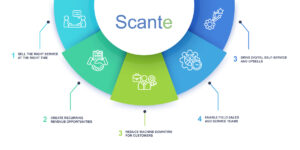
In machine building and industrial equipment, selling a machine starts the customer relationship. The real value and long-term revenue come from service, support, and parts. Traditionally, selling services relies on waiting for problems, manual outreach, and assumptions about machine use.
Why OEMs Win When Distributors and Third Parties Use Branded, Localized Platforms

In today’s competitive industrial and manufacturing landscape, customer experience doesn’t stop at the OEM—it extends to every distributor, service partner, and third-party that interacts with the end user. Yet, many OEMs still rely on disconnected systems, generic tools, or unbranded solutions when it comes to enabling their partners in the field.